Why Real Travel Is About Mindset, Adaptability, And Meaning — Not Just Destinations
Travel Is Often Mistaken For Movement — From One City To Another, One Checklist To The Next. But The True Spirit Of Travel Goes Far Beyond Bookings, Routes, And Photographs. It Lives In The Way We Adapt When Plans Change, Stay Calm During Uncertainty, Respect Local Cultures, And Allow Journeys To Shape Who We Are.
This Blog Explores The Deeper Meaning Of Travel — The Mindset That Separates Real Travelers From Casual Visitors. From Unexpected Delays And Changing Weather To Lessons Learned In Mountains And Remote Landscapes, This Is A Reflection On Why Travel Is Not About Control, But About Awareness, Responsibility, And Growth.
Written For Those Who Seek Meaningful, Responsible, And Experience-Driven Journeys, The True Spirit Of Travel Highlights Why Slowing Down, Staying Curious, And Embracing The Unplanned Are Essential To Authentic Travel. Whether You Travel Through Mountains, Villages, Or New Cultures, This Blog Reminds You That The Most Valuable Souvenir Is Perspective.
1 — The Mindset That Defines The True Spirit Of Travel
The True Spirit Of Travel Does Not Begin With Tickets, Bookings, Or Perfect Itineraries.
It Begins With A Mindset — The Willingness To Embrace Uncertainty And Move Forward With Calm And Clarity.
In Real Travel, Plans Rarely Unfold Exactly As Expected. Trains Get Cancelled Without Notice. Buses Run Late. Roads Close Due To Weather Conditions. Accommodation Changes. Timelines Shift. These Situations Are Not Exceptions — They Are An Inseparable Part Of Genuine Travel Experiences.
What Separates A Real Traveler From A Casual Visitor Is Not Comfort Or Convenience, But Response. When Things Do Not Go As Planned, Panic Achieves Nothing. Adaptability, Awareness, And Presence Are What Carry A Journey Forward.
Experienced Travelers Understand That Travel Is Dynamic By Nature. They Accept That Uncertainty Is Not A Disruption, But An Invitation To Think Clearly, Adjust Thoughtfully, And Continue With Confidence. Instead Of Reacting Emotionally, They Observe. Instead Of Complaining, They Solve. Instead Of Stopping, They Move With Purpose.
The Most Meaningful Travel Stories Are Never Born From Perfect Schedules. They Are Shaped During Unexpected Delays, Sudden Route Changes, And Unplanned Conversations Along The Way. These Moments Build Perspective, Resilience, And Maturity — Qualities That Define The True Spirit Of Travel.
When A Plan Changes, The Attitude Must Remain Steady. Staying Calm Allows Better Decisions. Staying Curious Keeps The Experience Alive. Staying Committed Ensures The Journey Continues, Regardless Of Circumstances.
This Is Not About Luck Or Chance.
This Is About Mindset.
This Is About Experience.
This Is The Foundation Of Traveling With Confidence, Awareness, And Professionalism.
2 — True Trekking Is About Blending In, Not Taking Over
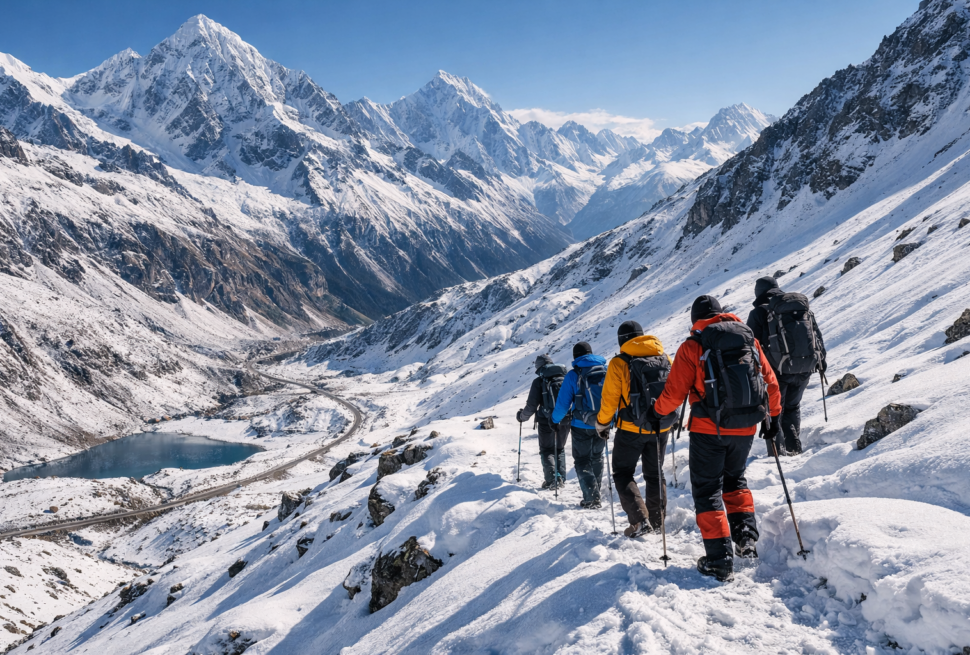
True Trekking Is Not About Conquering Nature Or Turning Trails Into Entertainment Zones. It Is About Becoming A Quiet Part Of The Landscape — Observing, Respecting, And Moving Through Nature Without Disturbing Its Balance.
One Of The Most Common Mistakes Seen On Treks Today Is Treating The Mountains Like A Picnic Spot. Loud Conversations, Shouting, And Playing Music On Bluetooth Speakers Might Feel Enjoyable To Some, But They Break The Natural Rhythm Of The Environment. Wildlife Gets Disturbed. Fellow Trekkers Lose The Silence They Came For. The Mountains Lose Their Voice.
Nature Does Not Need Background Music.
It Already Has One.
The Sound Of Birds, Flowing Streams, Wind Moving Through Trees, And The Natural Silence Of High Altitudes Are What Create A True Connection With The Wild. Trekkers Who Carry Loud Music Miss These Moments Completely. If You Seek A Real Trekking Experience, Silence Is Not A Sacrifice — It Is A Privilege.
Another Growing Issue Is Rushing Through Trails Or Getting Distracted By Continuous Photography And Selfies. While Capturing Memories Is Natural, Constantly Looking At Screens Pulls You Away From The Present Moment. Trekking Is Not A Race And Not A Photoshoot. It Is A Slow, mindful Journey. Pausing For A Few Minutes, Standing Still, And Simply Observing Often Reveals More Beauty Than Any Camera Can Capture.
Trail Discipline Is Equally Important. Stepping Off Marked Paths Or Taking Shortcuts Damages Fragile Alpine Plants And Soil That Take Years To Recover. What Looks Like A Small Step Can Leave A Long-Term Impact. Responsible Trekkers Walk Only On Designated Trails And Respect The Route Chosen For Environmental Protection.
Waste Management Is Non-Negotiable. Plastic Wrappers, Bottles, Tissues, And Food Waste Do Not Belong In The Mountains. Every Trekker Is Responsible For Carrying Back What They Carry In. Clean Trails Are Not Maintained By Authorities Alone — They Are Preserved By Individual Discipline.
True Trekking Demands Awareness, Silence, And Respect.
It Is About Blending In, Not Standing Out.
It Is About Leaving Nothing Behind Except Footprints And Taking Back Nothing Except Perspective.
This Is The True Spirit Of Trekking.